In the rapidly evolving digital landscape, the demand for custom software solutions has never been higher. However, traditional software development often faces significant bottlenecks: a global shortage of skilled developers, prohibitively long development cycles, and astronomical costs associated with maintenance and scaling. Enter No-Code Software Development—a paradigm shift that is democratizing technology and empowering businesses to build complex, enterprise-grade applications without writing a single line of code.
At the forefront of this revolution is Xpoda, a powerful enterprise-grade no-code platform specifically engineered to bridge the gap between business needs and technological execution. In this comprehensive guide, we will explore the nuances of no-code development, why it has become a strategic necessity for modern enterprises, and how Xpoda stands out as the ultimate engine for digital transformation.
1. The Genesis of the No-Code Movement
For decades, software development was a "black box" accessible only to those with years of specialized training in complex programming languages like Java, C++, or Python. While these languages remain the foundation of computing, the sheer speed of modern business has outpaced the throughput of traditional coding. Organizations today are forced to pivot within days, automate internal processes on the fly, and launch customer-facing portals in weeks to remain competitive.
The no-code movement emerged as a direct response to this "delivery gap." It represents a philosophical shift from "writing instructions" to "modeling logic." By leveraging high-level visual interfaces and pre-configured modules, no-code allows the focus to remain on the business outcome rather than the syntax of the language. It is the evolution of abstraction—much like how we moved from binary to assembly, and from assembly to high-level languages, we are now moving to visual orchestration.
2. Defining No-Code Software Development in an Enterprise Context
No-code development is not just about making "simple apps." In an enterprise context, it refers to a method of building robust, scalable applications through graphical user interfaces (GUIs) instead of manual coding.
Key Characteristics of Professional No-Code:
-
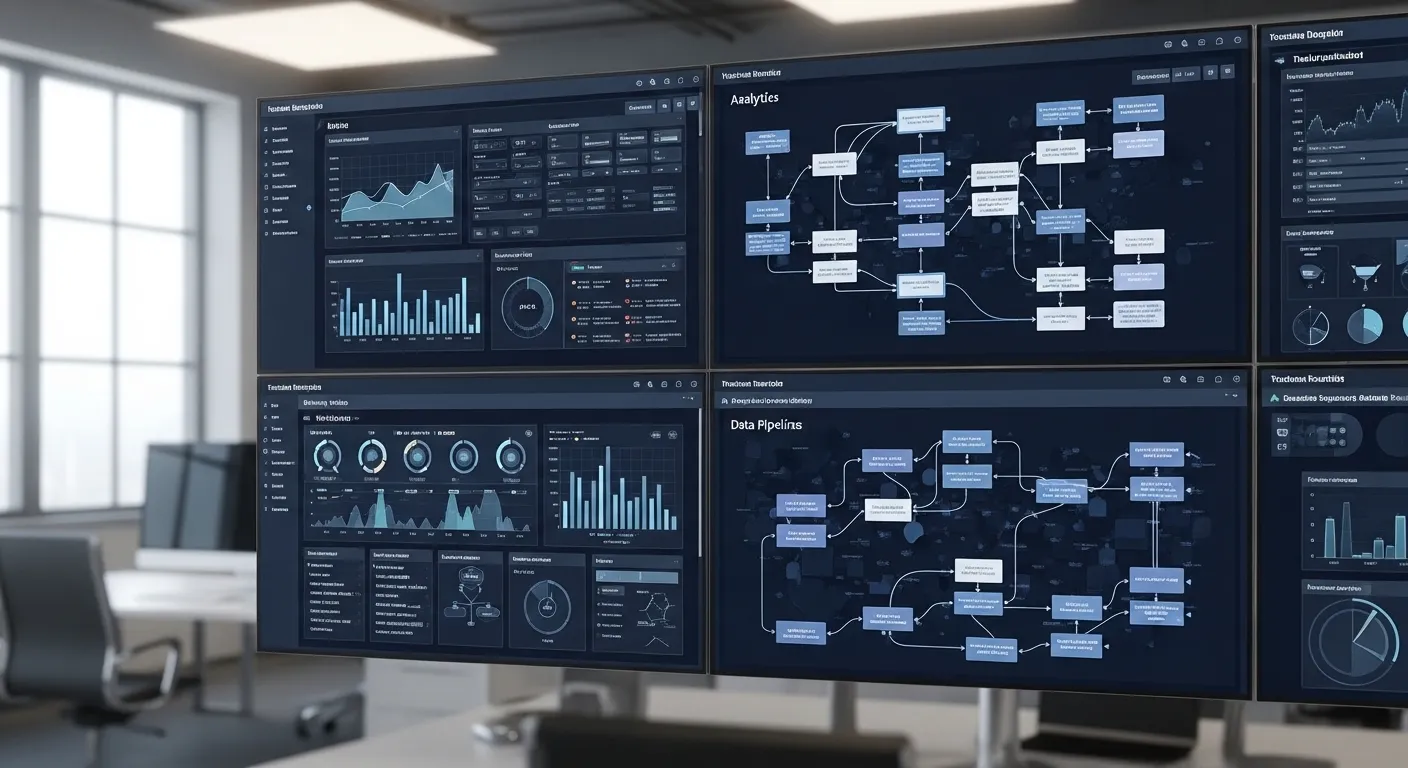
Visual Logic Modeling: Users define the application’s behavior and business rules using flowcharts and visual canvases.
-
Drag-and-Drop UI/UX Components: Sophisticated components like dynamic tables, pivot grids, and interactive charts are added as modular blocks.
-
Metadata-Driven Architecture: The platform stores the "instructions" as metadata, which an engine then renders into a functional application.
-
Abstraction of Complexity: Features like database indexing, server-side scaling, and API protocols are handled automatically by the platform.
It is critical to distinguish no-code from "low-code." While low-code platforms require a hybrid approach involving some coding for customization, true no-code platforms like Xpoda are designed to be fully functional for non-technical users while providing the "under-the-hood" power required for enterprise-scale complexity.
3. The Economic and Strategic Case for No-Code
Why are C-suite executives increasingly prioritizing no-code in their IT budgets?
A. Radical Reduction in Time-to-Market
In traditional development, the "Request to Reality" cycle is plagued by documentation, hand-offs between business and IT, and debugging cycles. No-code collapses these stages into a continuous, iterative process. A prototype can be built during a single meeting, and a production-ready application can be deployed in a fraction of the usual time.
B. Drastic Cost Optimization
The total cost of ownership (TCO) for custom software includes salaries for specialized developers, infrastructure costs, and long-term maintenance. No-code reduces the need for large, specialized dev teams for every project and significantly lowers maintenance costs since the platform provider manages the underlying stack.
C. Addressing the Talent Shortage
The "Developer Gap" is a global reality. There are simply not enough software engineers to meet the demand. No-code expands the pool of potential "builders" within an organization by a factor of ten or more.
D. Eliminating Shadow IT
When IT departments cannot deliver solutions quickly enough, business units often turn to unauthorized third-party tools (Shadow IT), creating security and data silo risks. No-code provides a governed, secure environment where business units can build their own tools under the watchful eye of IT.
4. Deep Dive into Xpoda: The Enterprise Powerhouse
While many no-code tools exist for building simple websites or basic task managers, Xpoda belongs to a different class: Enterprise No-Code. It is designed to handle the complexity that large organizations demand.
Xpoda provides a unified environment where complex business logic, massive datasets, and multi-layered workflows converge. It doesn't just build standalone "apps"; it builds integrated business ecosystems. Whether you are looking to replace a legacy ERP module, build a custom HRIS, or create a real-time supply chain monitoring system, Xpoda offers the necessary structural integrity.
5. Technical Architecture and Core Features of Xpoda
To appreciate why Xpoda is a leader in this space, one must look at the depth of its feature set:
The Xpoda Studio
The Studio is a comprehensive visual IDE (Integrated Development Environment). It allows for:
-
Responsive Design: Creating UIs that automatically adapt to any screen size—web, mobile, or tablet.
-
Advanced Component Library: Access to professional components like Gantt charts, maps, barcode scanners, and biometric inputs.
The Universal Logic Engine
The logic engine is the "brain" of Xpoda. It allows for the creation of sophisticated workflows without writing scripts.
-
Event-Driven Actions: Trigger actions based on user input, data changes, or scheduled timers.
-
Complex Conditional Logic: Handle intricate business rules (e.g., "If customer is Tier 1 AND order > $10k AND inventory is low, then notify the Regional Manager and flag for priority shipping").
Real-Time Data Handling
Xpoda is built for high-performance data processing. It manages concurrency and data integrity with the same rigor as traditional back-end frameworks, ensuring that performance does not degrade as the user base grows.
Offline-First Capability
Crucial for field operations, Xpoda-built mobile apps can function without an internet connection. Data is stored locally and synchronized with the central server automatically once connectivity is restored, with built-in conflict resolution.
6. Xpoda’s Integration Ecosystem: Breaking Down Data Silos
A modern enterprise app is only as strong as its connections. Xpoda is designed to be the "glue" that holds disparate systems together.
-
Native Database Connectors: Direct, high-speed connections to MS SQL, MySQL, PostgreSQL, Oracle, and more.
-
API Management: A robust REST and SOAP client allows Xpoda apps to consume data from any web service and expose its own data to other systems.
-
ERP/CRM Integration: Out-of-the-box compatibility with industry giants like SAP, Microsoft Dynamics, Salesforce, and Logo.
-
IoT Ready: Connect to sensors and industrial equipment to bring real-time operational data into your business applications.
7. Accelerating Digital Transformation: From Concept to Production
Digital transformation is often misunderstood as simply "going paperless." In reality, it is about creating a data-driven culture where processes are agile. Xpoda facilitates this by:
-
Agile Iteration: In Xpoda, the design is the application. Changes to a business process can be implemented, tested, and pushed to production in minutes rather than weeks.
-
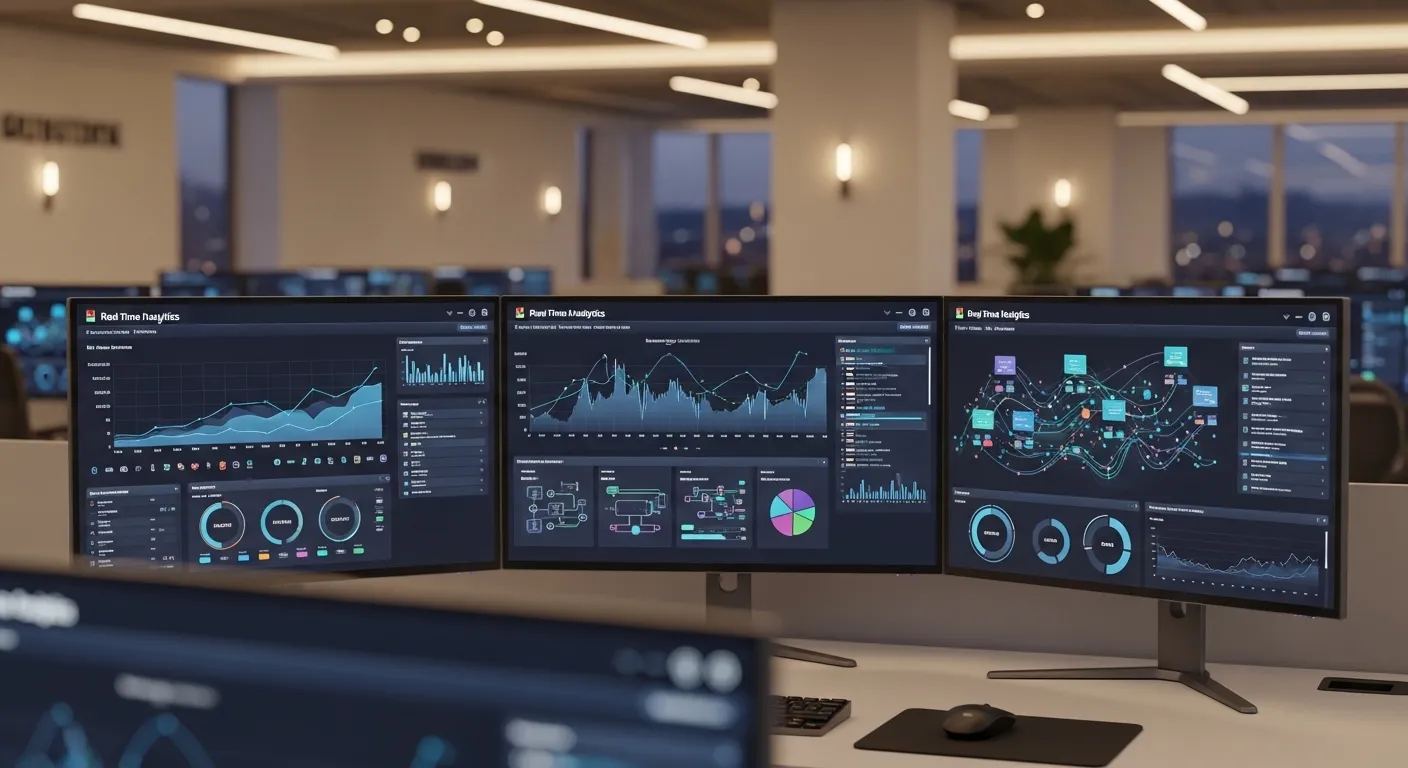
Operational Transparency: By digitizing workflows, every step becomes measurable. Xpoda’s dashboarding capabilities allow managers to see real-time KPIs and identify bottlenecks before they become crises.
-
Innovation Democratization: When the barrier to building is lowered, innovation can come from anywhere—from the shop floor to the executive suite.
8. Industry-Specific Use Cases: Real-World Xpoda Implementations
Manufacturing and Industry 4.0
Manufacturers use Xpoda to create "Digital Twins" of their processes. They build custom MES (Manufacturing Execution Systems) that track every part from raw material to finished product, integrating with PLCs on the factory floor to monitor machine health.
Logistics and Supply Chain
Xpoda powers complex logistics portals where carriers, warehouse staff, and customers interact in a single environment. Features include real-time GPS tracking, automated dock scheduling, and digital Proof of Delivery (ePOD).
Energy and Utilities
Utility companies use Xpoda for field service management. Technicians use mobile apps to receive work orders, capture photos of assets, and update maintenance records in real-time, even in remote areas without signal.
Banking and Fintech
In a highly regulated environment, banks use Xpoda to automate back-office operations like credit scoring, loan approval workflows, and compliance reporting, ensuring that every step follows a strict, auditable logic.
9. The Rise of the Citizen Developer and Cultural Shift
The "Citizen Developer" is a business professional who creates applications using IT-sanctioned tools. Xpoda is the primary catalyst for this role.
However, successful no-code adoption requires more than just software; it requires a cultural shift. Organizations must move from a "request and wait" mindset to a "build and collaborate" mindset. Xpoda bridges this gap by providing a platform where IT can maintain control over the "plumbing" (data security, infrastructure) while the business units take control of the "faucets" (the user interface and specific logic).
10. Security, Governance, and Compliance in No-Code
Enterprise software requires enterprise-grade security. Xpoda is built with a "Security-First" philosophy:
-
Granular RBAC (Role-Based Access Control): Define permissions at the application, menu, record, or even field level.
-
Data Encryption: Industry-standard encryption for data at rest and in transit (TLS/SSL).
-
Comprehensive Audit Trails: Every login, data change, and logic execution is logged, providing a "who, what, when" trail essential for HIPAA, GDPR, or SOC2 compliance.
-
Flexible Deployment Models: Choose between Public Cloud, Private Cloud, or fully air-gapped On-Premise deployments to meet your specific regulatory requirements.
11. Scalability: Growing from Startup to Global Enterprise
A common myth is that no-code apps can't scale. Xpoda shatters this myth. Its architecture is built on top of robust, high-availability technologies. As your user base grows from 10 to 10,000, Xpoda’s engine handles the load through efficient resource management and query optimization.
Because Xpoda uses a centralized engine to run apps, when the platform is updated with a performance improvement, every app built on it instantly benefits from that upgrade. This "shared improvement" model is a massive advantage over maintaining hundreds of individual codebases.
12. The Convergence of AI and No-Code: What Lies Ahead?
The future of software development is not just no-code, but AI-Augmented No-Code. We are entering an era where natural language becomes the primary interface for development.
Imagine saying to Xpoda, "Build me a procurement system that alerts the CFO if a budget is exceeded by 10%," and the platform automatically generating the necessary data structures and approval flows. Xpoda is actively integrating AI capabilities to assist in logic generation, automated testing, and predictive analytics, making the development process even faster and more intuitive.
13. Navigating the Future with Xpoda
The digital era waits for no one. Businesses that continue to rely solely on traditional, slow-moving development cycles risk being left behind by more agile competitors. Xpoda offers a way out of the technical debt trap and a way into a future of limitless agility.
By choosing Xpoda, you are not just selecting a tool; you are adopting a strategy. You are choosing:
-
Unprecedented Speed: Turning months into days.
-
Empowered Personnel: Turning business experts into technical builders.
-
Enterprise Power: Building without the "ceilings" found in simpler no-code tools.
-
Future-Proofing: Staying ahead of the curve through continuous platform evolution.
The transition to no-code is the most significant change in the software industry in decades. With Xpoda as your partner, you can lead that change rather than following it. Start your journey today and unlock the true potential of your organization’s digital future.


